
Manufacturing ERP
Sri Lanka RAMIS VAT E-Invoicing Checklist for ERP Teams (2026)
One-page ERP readiness checklist for Sri Lanka RAMIS VAT e-invoicing: TINs, invoice serial numbers, tax codes, schedules, and Web API data quality before July 2026.
Comparing ERP vs accounting software, LKR TCO bands, and VAT-ready invoicing for Sri Lankan teams?

Finance and IT teams searching for a RAMIS VAT e-invoicing checklist usually need one printable answer: what must our ERP produce correctly before Sri Lanka’s digital VAT reporting expands? This page is that checklist—focused on data quality, not PDF design alone.
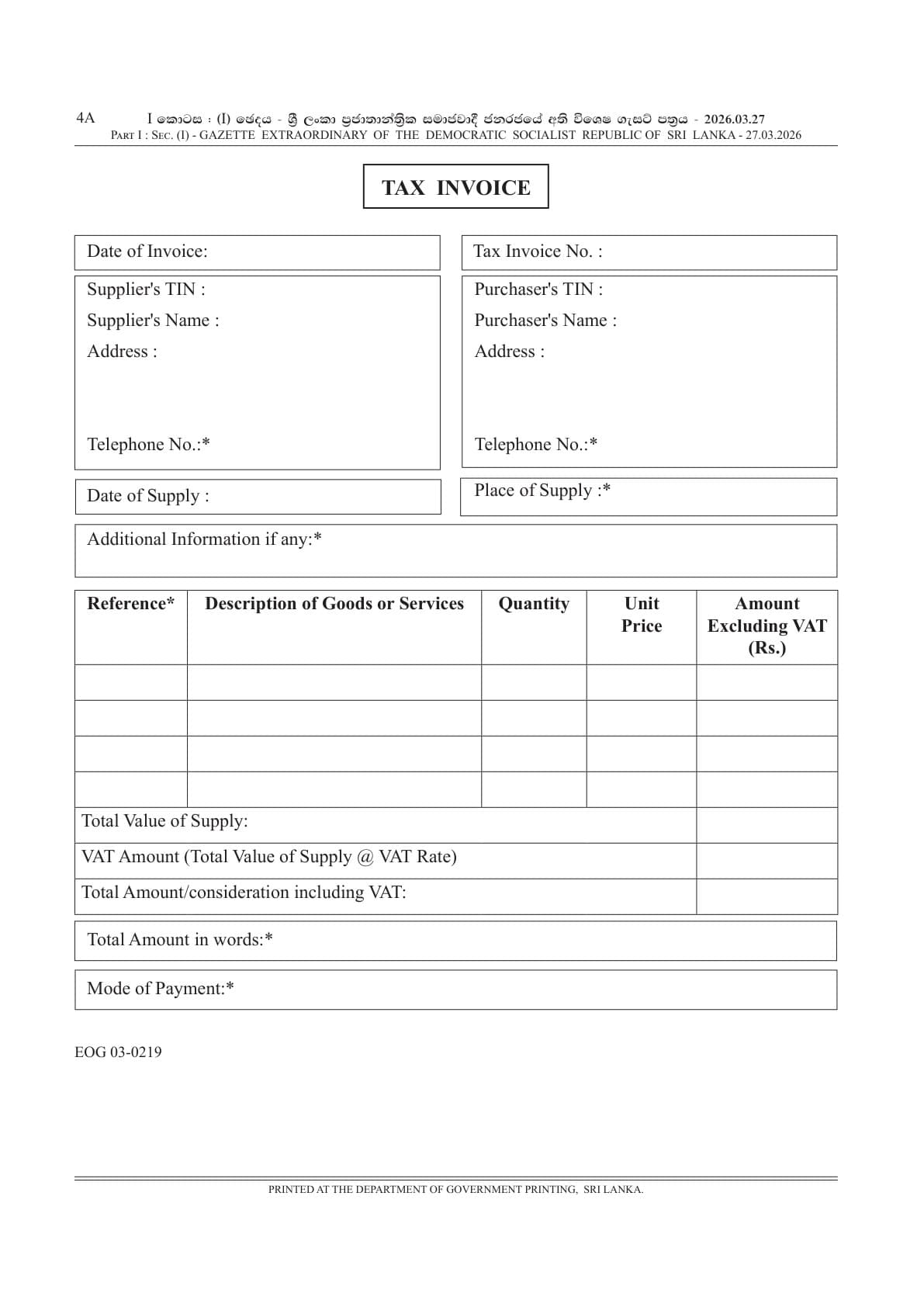
The IRD’s 2026 materials describe VAT invoice data integration from taxpayer ERP systems to RAMIS via Web API, alongside Gazette 2481/22’s standardized tax invoice format effective from July 1, 2026. If your ERP cannot generate consistent TINs, serial numbers, line VAT, and schedule data, API work will fail no matter how polished the integration project plan looks.
One-page ERP readiness checklist
- Supplier and purchaser TIN fields are mandatory where VAT rules require them, with validation at entry—not only on print.
- Invoice serial numbers follow controlled logic (year, branch/unit codes, sequences) without manual overrides.
- Tax codes map to the correct VAT schedules; users cannot post invoices with missing or invalid codes.
- Credit notes and debit notes link to original invoices with auditable reasons.
- Line-level taxable value, VAT amount, and totals reconcile to ledger postings without spreadsheet fixes.
- Output tax, zero-rated, exempt, and adjustment schedules can be produced from ERP transactions.
- A test invoice can be previewed, exported, and serialized to API payload format from the same source transaction.
- Finance can reconcile transmitted data against VAT returns and general ledger balances.
Phased rollout: what to do first
- Week 1–2: Audit customer/supplier master data, TINs, and invoice numbering rules.
- Week 3–4: Fix tax-code mapping, credit/debit note workflows, and approval controls.
- Week 5–6: Run end-to-end tests—standard sale, return, branch transfer, month-end VAT schedule.
- Before API: Document payload mapping, error handling, and reconciliation with your tax advisor.
Related guides
- Field mapping: Gazette 2481/22 specimen → ERP fields.
- Finance checklist: TINs, serial numbers, and VAT field controls.
- RAMIS Web API: questions for ERP and integration teams.
- Retail/POS: Phase III readiness for counters and branches.
Sources
- IRD — VAT invoice data integration notice (May 2026)
- Gazette Extraordinary 2481/22 — standardized VAT tax invoice format (March 27, 2026)
Capricon Core supports VAT-aware transaction workflows for Sri Lankan businesses preparing for standardized invoicing and digital reporting. Validate final templates and API mappings with your tax advisor before production cutover.
Frequently asked questions
What is RAMIS VAT e-invoicing in Sri Lanka?
RAMIS is the Inland Revenue Department’s tax administration system. Sri Lanka’s 2026 direction expects VAT invoice and schedule data to flow from taxpayer ERP systems to RAMIS through a secured Web API, using a standardized tax invoice format from July 2026.
When should ERP teams start RAMIS readiness work?
Before changing PDF templates. Master data (TINs, customers, tax codes), invoice numbering, credit/debit note links, and VAT schedule mapping should be stable first—usually months before API go-live.
Does Capricon Core support VAT-ready invoicing?
Capricon Core is designed for compliance-ready invoicing workflows: configurable numbering, VAT-aware fields, approval controls, and audit trails. Final field mappings should be validated with your tax advisor and the latest IRD notices.
Related Capricon solutions
Explore tools and services for manufacturing erp
Related guides on this topic
- Tax Invoice Format Sri Lanka 2026 | VAT Compliance PDF (2481/22)
- Sri Lanka VAT Invoice Checklist 2026: TIN & Serial Validation
- Sri Lanka 2026 VAT E-Invoicing: How ERP Systems Should Prepare for RAMIS Integration
- Sri Lanka POS Machines and VAT E-Invoicing: What Retailers Should Prepare Before Phase III
Related Capricon product & services
- Capricon Core ERP
VAT-ready invoicing, inventory, and finance for Sri Lankan businesses.
- ERP software Sri Lanka
Buyer guide: modules, LKR TCO bands, cloud vs on-premise, and accounting-vs-ERP signals.
- Capricon Pay payment portal
Centralize collections and reconcile LankaQR / JustPay settlements with ERP.
- RAMIS VAT e-invoicing Sri Lanka
Gazette 2481/22 fields, schedules, and ERP-to-RAMIS readiness overview.
- Tax invoice checklist (PDF)
One-page Gazette 2481/22 field checklist for ERP / POS workshops.
- Cash & VAT readiness audit
Book a structured review of cash matching, payment rails, and VAT invoice readiness.
Ready to take your business to the next level?
Your next big move starts here - take charge, scale up, and lead your business to success.